

4205-2RS Deep Groove Ball Bearing 25*52*18mm
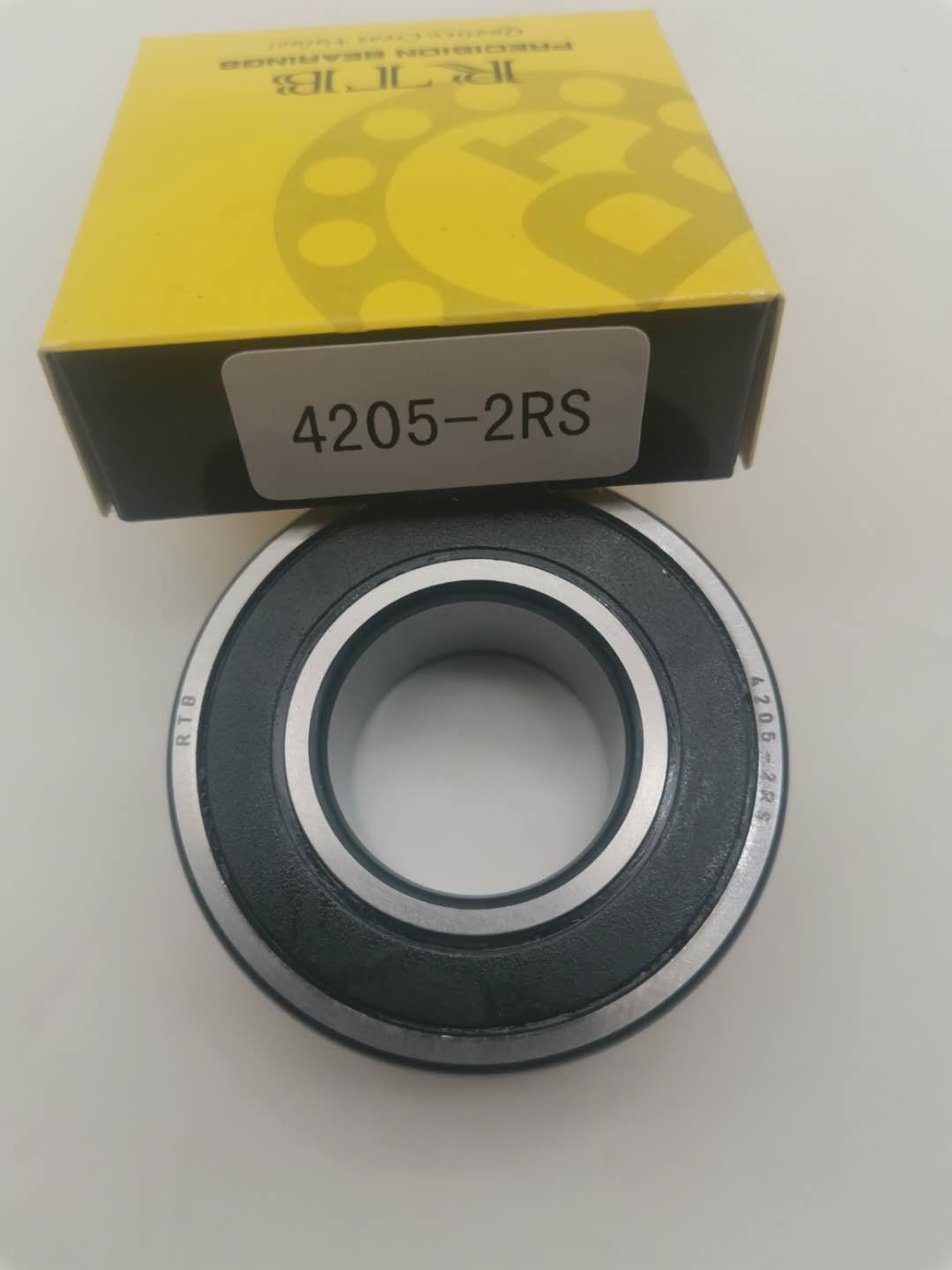
4205-2RS
Bore Diameter:25 mm
Outside Diameter:52 mm
Width:18 mm
Weight:0.17 kg
Reference FOB Price:US0.5 ~ 1 / Piece
Min. Order:100 Piece

The 4205-2RS bearing is a Deep groove ball bearing with an inner diameter of 25 mm , an outer diameter of 52 mm, a width of 18 mm. It typically uses Z1V1,Z2V2,Z3V3/ABEC-1,ABEC-2,ABEC-3/P0,P4,P5,P6 grade precision tolerances and features a steel cage, It primarily bears radial direction, Its dynamic radial rated load is approximately 19kN, its static radial rated load is approximately 14.6kN. It uses C0/C3 standard radial clearance, glue seal type, glue. together determine its load-bearing capacity, rotational accuracy, and applicable working conditions.
×
Detailed description
Product Description:
4205-2RS, Single-row deep groove ball bearings are the most typical structural form of rolling bearings. They have low friction torque and are most suitable for environments requiring high speed, low noise, and low vibration.It is suitable for high-speed operation, with low friction coefficient and high limit speed, without frequent maintenance.Mainly bear radial load.
|
4205-2RS
|
||
|
Main Dimensions & Performance Data
|
||
|
d
|
Bore diameter
|
25 mm
|
|
D
|
Outside diameter
|
52 mm
|
|
B
|
Width
|
18 mm
|
|
rmin
|
Minimum chamfer dimension
|
1mm
|
|
Cr
|
Basic dynamic load rating, radial
|
19000 N
|
|
C0r
|
Basic static load rating, radial
|
14600 N
|
|
Cur
|
Fatigue load limit, radial
|
620 N
|
|
nG
|
Limiting speed
|
20000 r/min
|
|
nϑr
|
Reference speed
|
11000 r/min
|
|
Weight
|
0.17 KG
|
|
|
D1
|
Caliber diameter outer ring
|
42.8 mm
|
|
d2
|
Shoulder diameter inner ring
|
34.2 mm
|
|
da min
|
Minimum diameter shaft shoulder
|
30.6 mm
|
|
Da max
|
Maximum diameter of housing shoulder
|
46.4 mm
|
|
ra max
|
Maximum fillet radius
|
1 mm
|
|
f0
|
Calculation factor
|
0.05
|
|
Other Details
|
||
|
1) Package: carton packaging
|
||
★Installation and disassembly of bearing
1. Pay attention to the following matters when loading and unloading bearings:
A. Use appropriate tools and loading and unloading methods.
B. Carefully avoid the strong impact on the bearing due to carelessness during use, which will cause the bearing to be injured. Marks, indentations, fractures and other injuries affect the use of the bearing.
C. Keep the bearings and the machine clean, and do not allow dust, moisture and other debris to enter the bearings.
D. Bearings are rusty, avoid using them in damp places, and to prevent sweat from getting on, you should bring your hands on cover, do not allow moisture to contact the bearing. Immediately after installation, spread the lubricant on the bearing surface.
2. The sequence of installing the bearings is as follows:
A. Clean bearings and related parts
B. Check whether the dimensions of related parts are qualified
C. Load the bearing
D. Rotate the machine to check whether there is jamming or abnormal sound
E. Add lubricant
Share this product to:


 Let more people see your product
-
- 4205-2RS deep groove ball bearing 25*52*18mm
- 4205-2RS, Single-row deep groove ball bearings are the most typical structural form
-
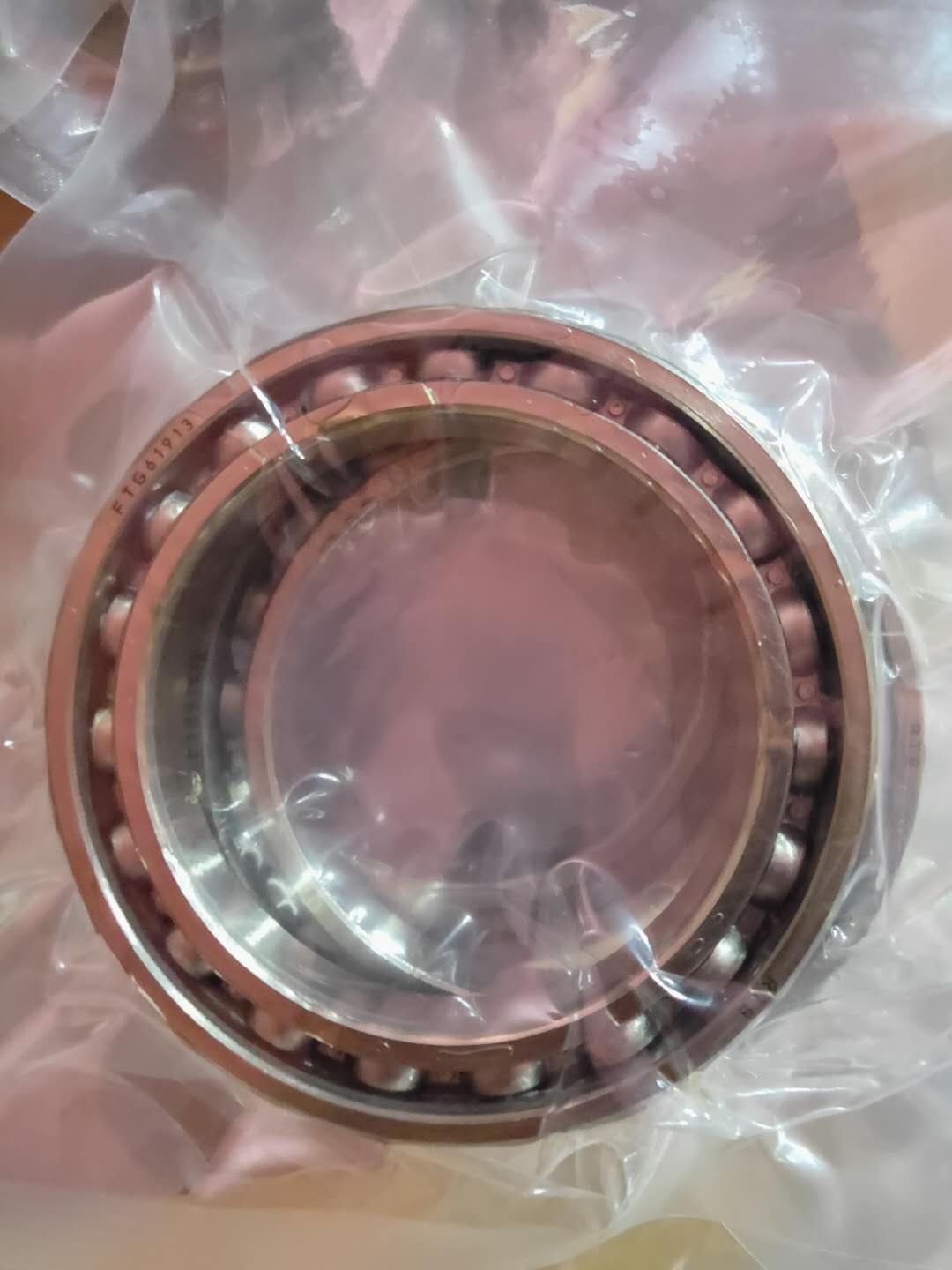
- FTG 61913 Deep Groove Ball Bearing 65*90*13mm
- FTG 61913 High temperature resistance Single-row deep groove ball bearings are the
-
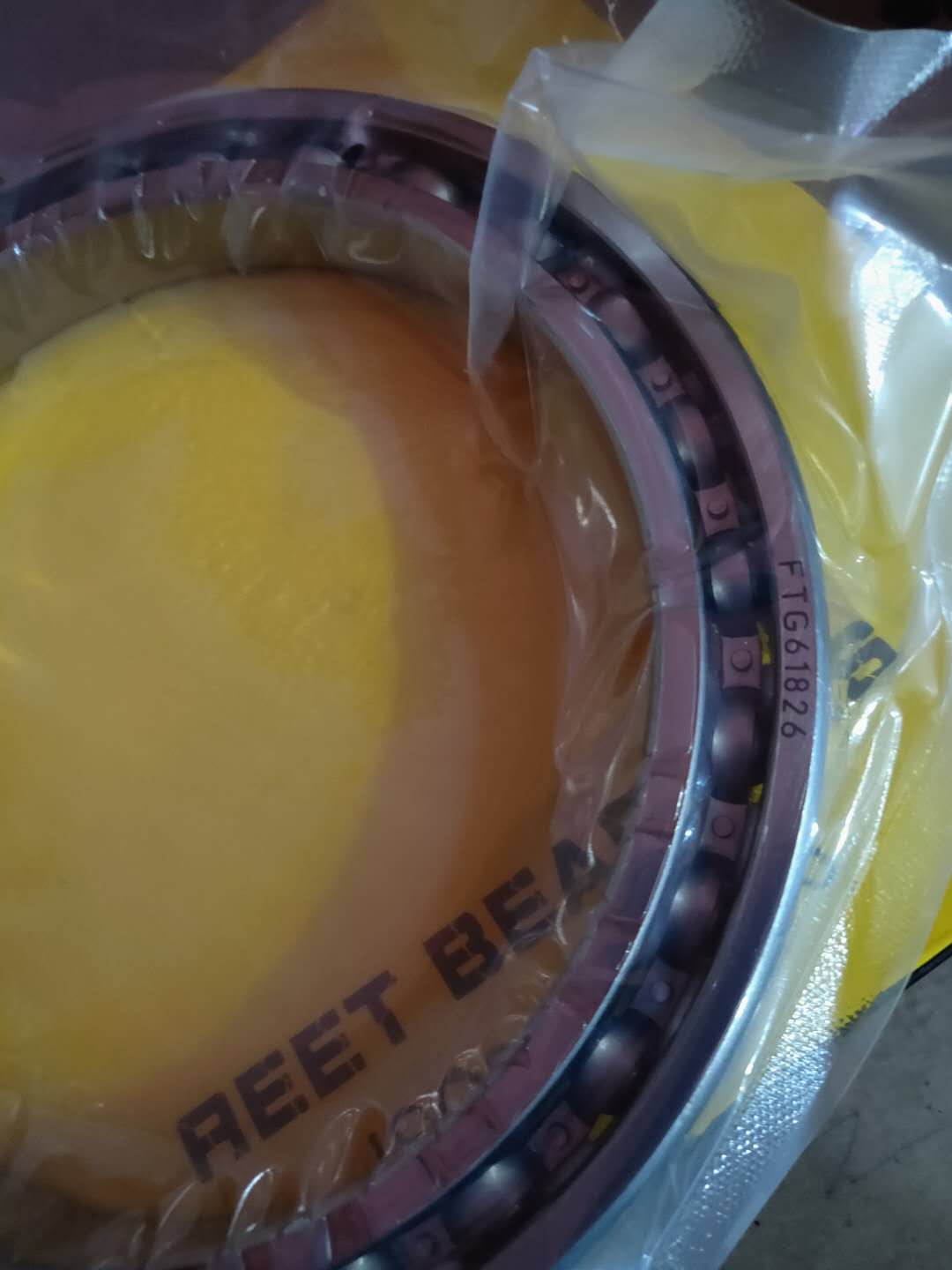
- FTG 61826 Deep Groove Ball Bearing 130*165*18mm
- FTG 61826 High temperature resistance Single-row deep groove ball bearings are the
-
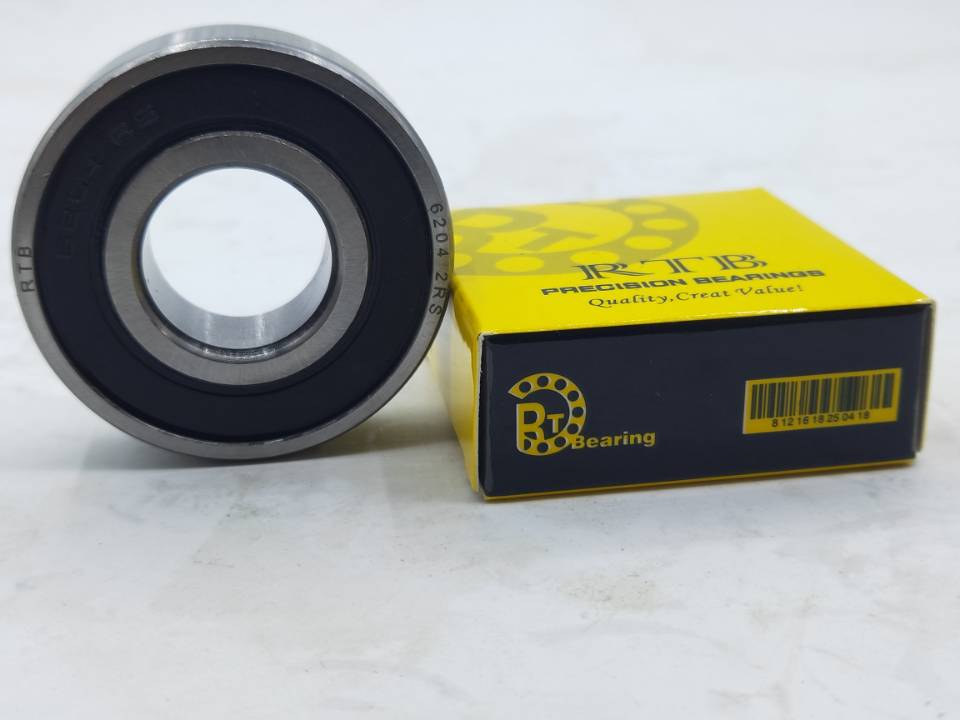
- 6204-2RS deep groove ball bearing 20*47*14mm bearing
- 6204-2RS, Single-row deep groove ball bearings are the most typical structural form
-

- 23944 CA/W33 Spherical roller bearings 220*300*60mm bearing
- 23944 CA/W33 Spherical roller bearings are successfully used in the field and undergo
-
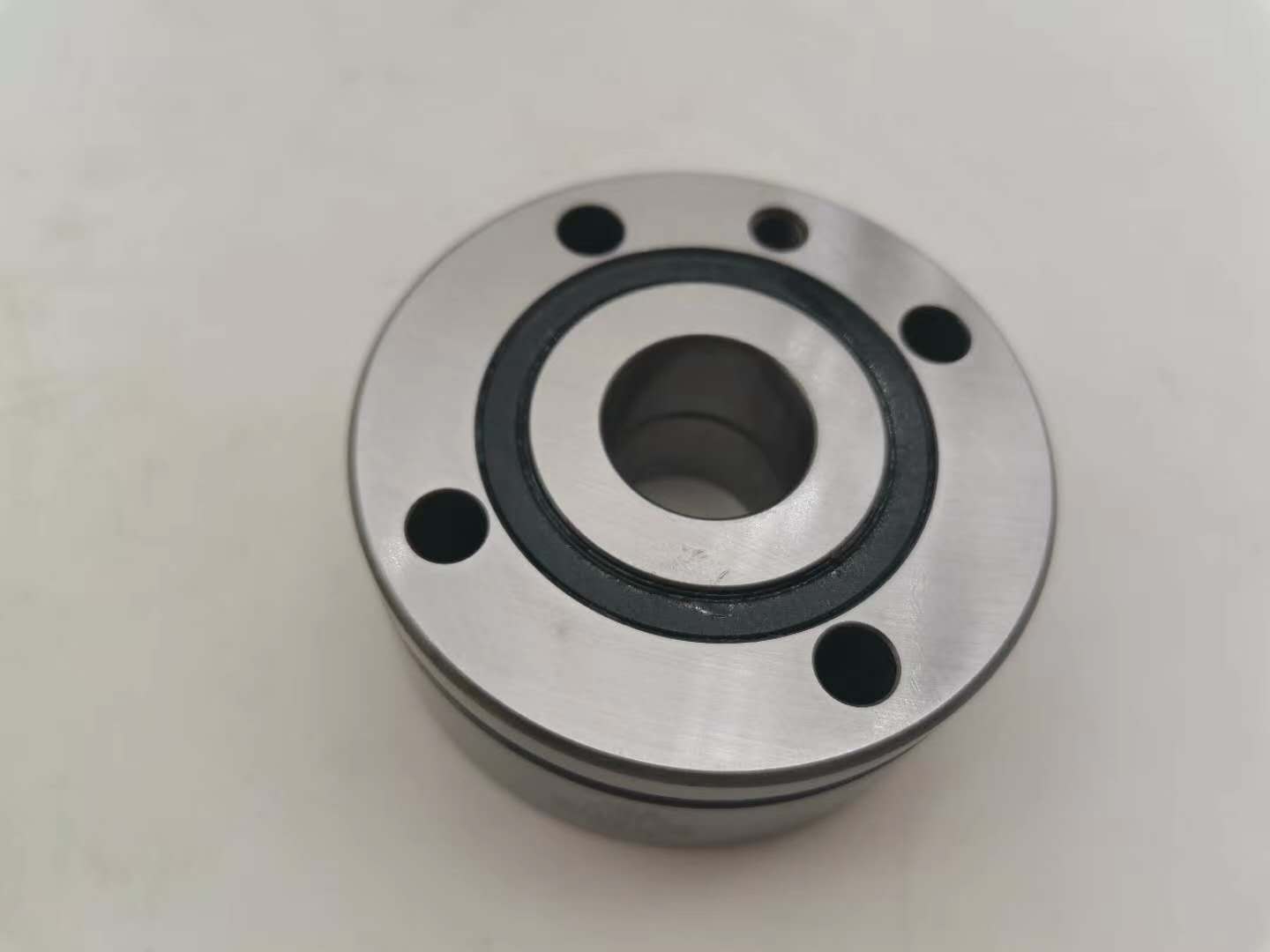
- ZKLF 2068-2RS Axial angular contact ball bearing 20*68*28mm
- ZKLF 2068-2RS Axial angular contact ball bearings are precision bearings for screw
-
- 7014CDB/GNP4 Angular Contact Ball Bearing 70*110*40mm
- 7014CDB/GNP4 is a Duplex Angular Contact Ball Bearing, the size is 70*110*40mm.
-
- FTG 61913 Deep Groove Ball Bearing 65*90*13mm
- FTG 61913 High temperature resistance Single-row deep groove ball bearings are the